

 By
By
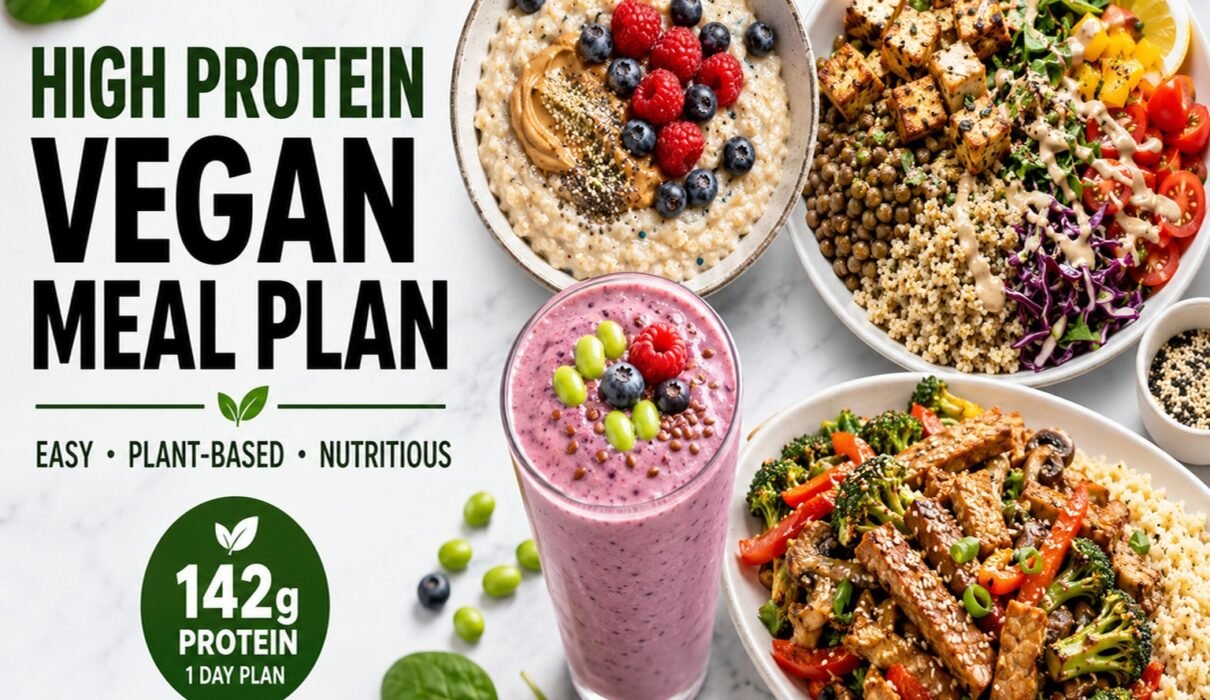
High Protein Vegan Meal Plan: Easy Meals With 142 Grams of Protein
With proper knowledge, a high protein vegan meal plan can feel easy, tasty, and low cost. Start each meal with one plant protein. Add fresh veg, a smart carb, and a small amount of healthy fat.
Experts at Affordable Meal Plans recommend four meals for this purpose. The full day has about 1,980 calories. It has about 142 grams protein. Food brands can change each count.
Change each meal to fit your size and age. Match it to your health and daily work too. Hard gym days may need more food. A doctor or dietitian can help with health needs.
Complete & Comprehensive High Protein Vegan Meal Plan
Start With a Main Protein Food
Some vegan meals look fresh. Yet they may have little protein. Fruit may not keep you full. Jam toast may not help much. A plain salad may also feel too light.
Use these four steps:
- Aim for 25 to 40 grams of protein at each main meal.
- Eat beans, lentils, or soy foods two times a day.
- Add seeds or vegan protein powder when you need more.
- Eat enough food for sleep, mood, and daily tasks.
Beans and lentils add protein. They also add fiber and iron.
One-Day Menu and Food Facts
| Meal | Serving size | Calories | Protein | Carbs | Fat |
| Creamy protein oats | 1 large bowl | 510 | 34 g | 51 g | 20 g |
| Tofu and lentil bowl | 1 large bowl | 575 | 39 g | 69 g | 18 g |
| Edamame berry shake | 16 fl oz | 340 | 30 g | 35 g | 9 g |
| Tempeh veggie stir-fry | 1 large plate | 555 | 39 g | 60 g | 22 g |
| Daily total | — | 1,980 | 142 g | 215 g | 69 g |
Check food labels at home. Brands can vary. Check soy milk and tofu. Check tempeh and protein powder too.
Breakfast: Creamy Protein Oats
Add these foods to a bowl or jar:
- 1/2 cup dry rolled oats.
- 1 cup plain soy milk.
- 3/4 scoop vegan protein powder.
- 1 tablespoon chia seeds.
- 1 tablespoon peanut butter.
- 1/2 cup berries.
- Cinnamon to taste.
Stir the mix at night. Place it in the fridge. Or cook it in the morning.
Soy milk adds much of the protein. The powder adds more. Oats and chia add fiber. Chia also adds a plant omega-3 fat.
This meal fits a vegan high protein meal plan. It uses cheap foods. It takes just a few minutes.
Lunch: Tofu and Lentil Bowl
Use these foods:
- 4 oz extra-firm tofu.
- 3/4 cup cooked lentils.
- 2 cups spinach, cabbage, or mixed greens.
- 1/2 cup cut peppers and tomatoes.
- 1/2 cup cooked quinoa.
- 1 tablespoon tahini.
- Lemon juice, garlic, salt, and pepper.
Cook the tofu until each side turns light brown. Put the greens in a bowl. Add the lentils and quinoa. Put the tofu on top. Pour the tahini sauce on top.
Lentils and tofu add iron. Peppers and tomatoes add vitamin C. Lemon adds it too. Vitamin C helps the body take in plant iron.
Snack: Edamame Berry Shake
Blend these foods:
- 1 cup plain soy milk.
- 1/2 cup shelled edamame.
- 1/2 scoop vegan protein powder.
- 1 cup frozen berries.
- 1 tablespoon ground flaxseed.
- Ice and water as needed.
Edamame tastes mild. Berries add a sweet taste. Add half a banana for more fuel. Add more ice for a larger drink.
Dinner: Fast Tempeh Stir-Fry
Use these foods:
- 5 oz tempeh, cut into thin strips.
- 2 cups broccoli, mushrooms, and peppers.
- 1 cup cauliflower rice.
- 1/2 cup cooked brown rice.
- 1 teaspoon sesame oil.
- 1 tablespoon low-salt soy sauce or tamari.
- Ginger, garlic, and chili to taste.
Cook the tempeh first. Add the veg. Add the sauce and spice. Cook until the veg feels soft. Keep a bit of bite in each piece.
Brown rice adds fuel. Cauliflower rice fills the plate. This mix gives a big meal with less rice.
Make Small Swaps for Fat Loss
A vegan meal plan for weight loss should still give enough food. It should give enough protein too. Big food cuts can cause low energy. They can also cause strong hunger.
Start with one small swap:
- Use less peanut butter or tahini.
- Swap brown rice for more cauliflower rice.
- Use less protein powder in one meal.
- Add more green veg when hunger grows.
These swaps may cut 150 to 300 calories. Check your sleep and mood. Check your hunger and gym work too. A good plan should feel calm and steady.
Cut Some Carbs
A low carb vegan meal plan can use tofu and tempeh. It can also use seitan and edamame. Add leafy greens and nuts. Add seeds, mushrooms, and avocado too. Eat less oats, rice, and bread. Cut back on sweet fruit and quinoa.
A high protein low carb vegan meal plan gives more choice than strict keto. Beans and lentils have carbs. They also provide protein and fiber. They add iron too. Small parts may still fit your goal.
A keto diet vegan meal plan cuts many plant foods. It may use tofu and tempeh. It may also use seitan, nuts, and seeds. Oil and avocado add fat. Low-carb veg also plays a big role. This plan can make fiber needs hard to meet. It can also make vitamin needs hard to meet. Ask a doctor or dietitian for help before long-term use.
Take Care With Raw Food
A raw vegan meal plan can make high protein meals hard. Strict raw plans leave out cooked beans and lentils. They may also omit tofu and tempeh.
Sprouts and hemp seeds can help. Chia seeds and nuts can help too. Some protein powders may fit. Keep raw food cold. Wash fresh food well. Use clean hands and tools.
A mostly raw plan may feel much easier. Add some cooked beans. Or add a soy food. This step can add more protein. It can also cut stress.
Add Food for Muscle Gain
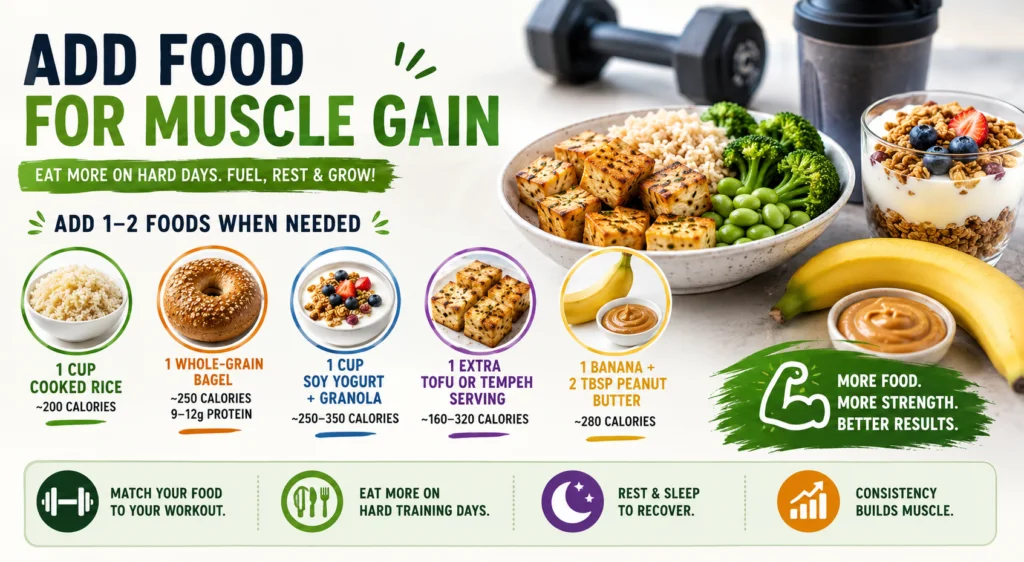
A vegan bodybuilding meal plan needs more than protein. Hard gym work needs enough food. It also needs enough carbs. Rest helps the body grow. Good sleep helps too.
Add one or two foods when the base plan feels too small:
- 1 cup cooked rice: about 200 calories.
- 1 whole-grain bagel: about 250 calories and 9 to 12 grams protein.
- 1 cup soy yogurt with granola: about 250 to 350 calories.
- 1 extra tofu or tempeh serving: about 160 to 320 calories.
- 1 banana with 2 tablespoons peanut butter: about 280 calories.
A vegan bodybuilding diet meal plan should match the gym load. Add more food on hard days. Keep meals steady on rest days. Add more when hunger goes up.
One study looked at young men. They did weight work. A high protein plant diet helped them gain muscle. It also helped them gain strength. A mixed diet had the same protein. It gave close results.
Check Key Food Needs
Protein matters. Yet it does not meet each need. A vegan diet needs a clear B12 plan. It also needs care for other key food needs.
| Nutrient | Good vegan sources | Easy step |
| Vitamin B12 | Food with added B12 or a pill | Use a trusted source often |
| Iron | Lentils, tofu, beans, and seeds | Add fruit or veg high in vitamin C |
| Iodine | Iodized salt or the right pill | Read the salt label |
| Omega-3 | Chia, flax, walnuts, or algae oil | Add ground seeds most days |
| Calcium | Soy milk with added calcium, tofu, and greens | Check the food label |
| Vitamin D | Food with added vitamin D or a pill | Ask about a blood test if needed |
Plant foods have no natural vitamin B12. Some food brands add B12. A B12 pill can also help. Check the label. Ask a doctor or dietitian when unsure.
Do not guess with large pill doses. A doctor or dietitian can check your needs. A pharmacist can check your daily pills.
Three-Day Shop List
Buy these foods for three days:
- 12 oz extra-firm tofu.
- 15 oz tempeh.
- 2 1/4 cups cooked lentils.
- 1 1/2 cups shelled edamame.
- 6 cups plain soy milk.
- About 4 scoops vegan protein powder.
- 1 1/2 cups dry oats.
- 1 1/2 cups cooked quinoa.
- 1 1/2 cups cooked brown rice.
- 6 cups mixed vegetables.
- 6 cups leafy greens.
- Berries, lemons, chia, flax, tahini, peanut butter.
Cook the grains in one batch. Cook the lentils at the same time. Bake the tofu and tempeh. Wash and cut the veg. Keep each food in a shut box in the fridge.
Keep the Plan Easy
Keep frozen edamame at home. Canned lentils can also save time. Tofu and soy milk help too. Seeds and protein powder can fill small gaps.
Change the meal size to match your goal. Do not eat too little. Low food can make you weak. It can also leave you hungry.
This menu for your high protein vegan meal plan gives broad food tips. It does not replace healthcare. Ask a doctor or dietitian for help with kidney disease, diabetes, food allergy, gut pain, pregnancy, medicine use, or high-level sports.